Sewer line cleaning is a vital component of maintaining infrastructure, preventing costly damage, and staying compliant with environmental regulations. Traditionally, this has been accomplished through mechanical rodding and bucket machines. However, advancements in technology have made Jet Vac cleaning a faster, more precise, and more environmentally friendly alternative. In this blog, we’ll compare both methods in terms of efficiency, cost, and environmental impact, backed by expert insights and industry experience.
What Is Traditional Sewer Cleaning?
Traditional sewer cleaning methods use mechanical tools such as rodding machines, bucket systems, and augers to break apart and remove debris. While time-tested, these methods can be labor-intensive, slower, and less thorough, especially in pipes with complex bends or heavy buildup. Access limitations, safety concerns, and the risk of incomplete cleaning often lead to more frequent service needs.
What Is Jet Vac Cleaning?
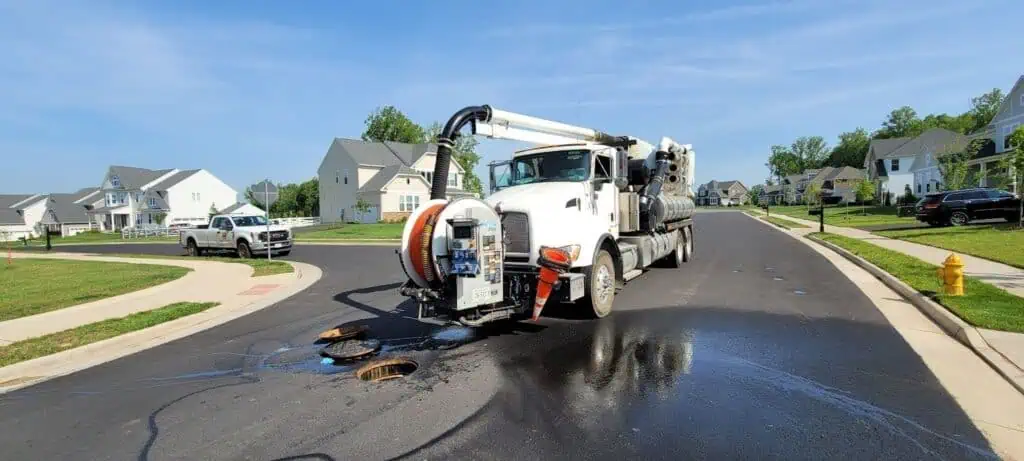
Jet Vac cleaning combines high-pressure water jetting with powerful vacuum suction. Pressurized water dislodges grease, sediment, and blockages, while a vacuum system removes waste into a sealed tank for proper disposal. This method is widely recognized by municipal and industrial facility managers for its efficiency and versatility in cleaning storm drains, sanitary sewers, catch basins, and manholes.
1. Comparing Efficiency
Choosing the right cleaning method starts with understanding how each one performs in the field. This section looks at how Jet Vac technology and traditional methods stack up in real-world speed, versatility, and impact.
Speed and Thoroughness
Industry data and field reports from municipalities indicate that Jet Vac systems can clear blockages in a fraction of the time while delivering a more comprehensive clean. The high-pressure jetting breaks down grease, roots, and sediment more effectively, and the vacuum system removes it immediately, reducing the chance of recontamination. Traditional cleaning often requires multiple passes, leaving residue that can cause recurring problems.
Accessibility and Versatility
Jet Vac trucks can reach submerged or hard-to-access areas, making them invaluable for aging infrastructure, deep sewer lines, and large utility networks. Their range of nozzle types and adjustable pressure settings allow technicians to tailor cleaning to pipe size, material, and condition, something traditional tools cannot match.
Downtime and Disruption
Reduced cleaning time with Jet Vac technology translates into shorter service interruptions and less impact on traffic or community activities. Because the process contains and removes debris immediately, there’s less need for secondary clean-up or extended closures.
2. Comparing Costs
Understanding the cost implications of each cleaning method helps decision-makers balance immediate budgets with long-term savings. This section breaks down where expenses occur and how each method impacts future maintenance costs.
Labor and Equipment
Although Jet Vac equipment has higher upfront costs, it reduces labor requirements, work hours, and safety risks, especially for confined space entry. Traditional methods have lower equipment costs but require more manual labor, increasing long-term operational expenses.
Long-Term Maintenance Savings
A more thorough clean means fewer backups, pipe failures, and emergency callouts. Municipal case studies show Jet Vac cleaning can extend infrastructure life by several years, reduce inflow and infiltration issues, and lower annual repair budgets.
Budget Considerations for Municipalities and Developers
For quick, small-scale work, traditional methods may suffice. For large, complex, or high-priority projects, Jet Vac often delivers better value over time, especially when factoring in reduced maintenance frequency, fewer emergency repairs, and documented compliance benefits.
3. Comparing Environmental Impact
Understanding the environmental footprint of each sewer cleaning method is essential for municipalities, developers, and utility managers aiming to meet sustainability goals. This section explores how Jet Vac and traditional cleaning differ in their ecological impact, regulatory alignment, and long-term effects on surrounding environments
Water Usage and Waste Disposal
Jet Vac systems use water efficiently and safely contain debris for compliant disposal, reducing contamination risks. Many units can reclaim water from the cleaning process, further minimizing consumption. Traditional methods may create uncontained waste streams that require additional cleanup and disposal measures.
Soil Disruption and Surface Impact
Jet Vac cleaning involves minimal excavation, protecting landscaping, pavement, and surrounding ecosystems. It’s particularly beneficial in sensitive environments where disturbance must be minimized.
Compliance with Environmental Regulations
Jet Vac technology aligns with EPA stormwater and wastewater system requirements, helping municipalities and developers meet permit conditions. Detailed service records and video inspections can also support documentation for regulatory reporting and future maintenance planning.
When to Use Jet Vac vs. Traditional Methods
| Factor to Consider | Best Fit for Jet Vac | Best Fit for Traditional Methods |
| Pipe Size & Condition | Large diameter, deep, or heavily blocked lines | Small diameter, minor blockages |
| Material Type | Varied materials including PVC, clay, and cast iron | Uniform, older pipe materials |
| Access Points | Limited or hard-to-reach locations | Easily accessible, straight runs |
| Environmental Requirements | Strict compliance and debris containment needs | Less stringent compliance environments |
| Project Scope & Complexity | Complex municipal or industrial networks | Simple residential or short commercial runs |
How Muller Supports Efficient Sewer Line Cleaning and Choosing the Right Path Forward
Muller’s Jet Vac services are delivered by trained crews who understand both utility infrastructure and environmental compliance. We integrate Jet Vac cleaning into turnkey site development projects, ensuring future storm and sewer systems are clean, functional, and ready for long-term performance. Our team uses GPS and inspection technologies to document work, providing clients with transparent reports for regulatory and maintenance purposes.
These capabilities, combined with our experienced professionals, specialized equipment, and commitment to compliance, make Muller a trusted partner in sewer cleaning. Jet Vac technology offers measurable advantages in efficiency, cost-effectiveness, and environmental stewardship compared to traditional sewer cleaning. Whether you’re a municipality, developer, or utility manager, partnering with Muller helps protect infrastructure, maintain compliance, and support sustainability goals.
Contact us today to learn how our services can enhance your next project.