Every construction project begins with shaping the land, but those early site development decisions have a lasting impact on how a property handles water. From erosion and runoff to long-term drainage system performance, stormwater behavior is closely tied to how a site is cleared, graded, and built.
This article breaks down how specific site development choices, like grading, paving, and utility installation, can affect stormwater performance, capacity, and compliance.
What Is a Stormwater Management System?
Stormwater management systems are built to control what happens to rainwater and snowmelt after it hits the ground. They slow it down, filter out pollutants, and move it safely away from structures and into designated discharge areas, ideally without overwhelming infrastructure or harming the environment.
These systems include tools for collecting runoff, storing it temporarily, helping it infiltrate into the ground, or treating it before it’s released. During site development, protecting and properly integrating these systems is essential to ensuring long-term performance and compliance.
Developers must ensure their grading, paving, and utility decisions don’t interfere with how these systems function, or worse, create problems that require costly rework later.
How Site Development Impacts Stormwater Behavior
Site development transforms the landscape, and that transformation can either support or undermine stormwater management efforts.
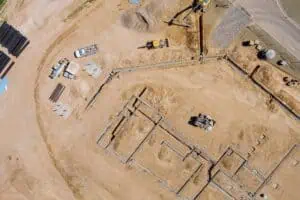
1. Land Clearing and Demolition
Removing vegetation and topsoil strips away nature’s first line of defense against runoff. Without roots and organic matter to absorb rainfall, sediment and pollutants are more likely to enter storm drains and waterways.
Impact on Stormwater: More sediment in runoff, less infiltration, greater pollutant loads.
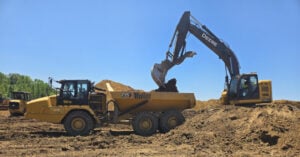
2. Grading and Earthwork
Grading reshapes the land to create level building areas and control water flow. But poor grading can trap water in the wrong places or redirect flow inefficiently.
Impact on Stormwater: Standing water, disrupted flow paths, increased pressure on drainage features.
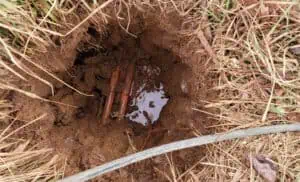
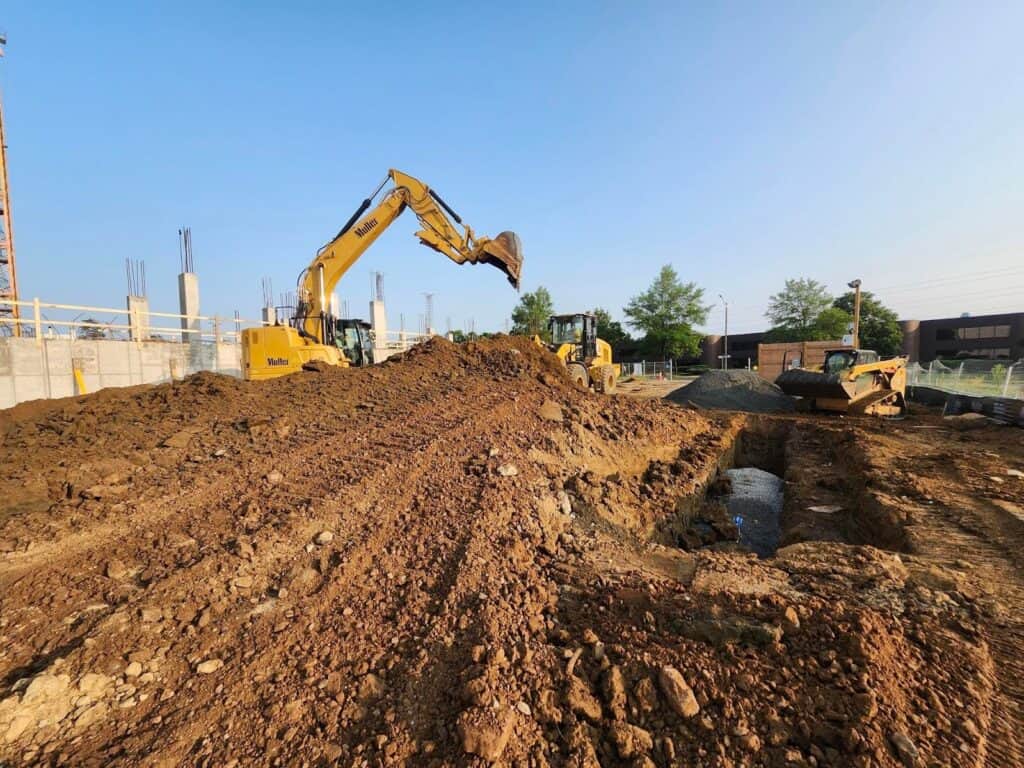
3. Utility Installation and Subsurface Disruption
Trenching for utilities disrupts soil structure and underground flow. Improper backfill or shifting infrastructure can create voids or drainage failures over time.
Impact on Stormwater: Altered underground flow, settlement issues, and increased maintenance.
4. Impervious Surfaces (Paving and Rooftops)
Hard surfaces like pavement and rooftops block water from soaking into the ground. This leads to more runoff traveling faster across a site.
Impact on Stormwater: Greater volume and speed of runoff, overloaded systems, and reduced groundwater recharge.
5. Landscaping and Green Infrastructure
Well-designed green areas do more than look good, they help absorb and filter stormwater. These features supplement traditional infrastructure.
Impact on Stormwater: Slower runoff, cleaner water, and reduced burden on pipes and ponds.
Long-Term Implications for Stormwater Systems
The stormwater consequences of site development aren’t always immediate, but over time, they become hard to ignore. What seems like minor grading issues or overlooked erosion controls during construction can lead to compounding infrastructure problems years down the line.
Cumulative impacts include:
- More frequent clogging of storm drains due to sediment, leaves, and debris
- Reduced capacity in ponds and detention basins, leading to higher maintenance costs
- Declining water quality in nearby streams and receiving waters
- Systems reaching design limits faster as impervious surfaces multiply
Stormwater infrastructure isn’t just about what you install, it’s about whether it can stand up to real-world conditions over time. Without integrated planning during development, the risk of expensive retrofits, erosion damage, and non-compliance with environmental regulations grows dramatically.
Effective stormwater management means thinking beyond short-term approvals. It’s about building systems that work just as well 10 years from now as they do on opening day.
From Dirt to Drainage: Why Every Phase Matters
Stormwater management doesn’t start when the rain falls, it starts with how the site is developed. Each choice during clearing, grading, utility installation, and paving affects how water moves across the land and through your infrastructure.
To avoid future drainage problems, protect nearby waterways, and meet environmental regulations, developers must treat stormwater planning as a core part of site development.
Partner with Muller to ensure your next project is built to last, from the ground down.