Low-Impact Development (LID) is more than just a stormwater strategy, it’s a philosophy of working with the land’s natural systems rather than against them. By replicating the way water moves through undeveloped landscapes, LID manages runoff right where it’s generated, keeping peak flows in check, improving water quality, and enhancing site resilience. In regions like the Mid-Atlantic, where environmental sensitivity and strict regulations go hand-in-hand, LID has become both a pathway to compliance and a hallmark of sustainable, high-performing projects.
This guide will unpack the foundational principles of LID, dive into practical applications, explain regional regulatory nuances, and show how Muller’s expertise turns these concepts into turnkey, compliant, and lasting infrastructure solutions.
What is Low-Impact Development?
At its core, Low-Impact Development (LID) is the intentional use of conservation measures, integrated site design, and small-scale, distributed green infrastructure to handle stormwater at or near its source. Instead of relying solely on large, centralized systems, LID focuses on infiltration, filtration, storage, and evapotranspiration to mimic natural hydrology. When implemented effectively, it eases the burden on conventional storm sewers, enhances the visual and ecological character of a site, and supports broader biodiversity goals.
Core Principles of LID
The success of an LID strategy hinges on understanding a set of interconnected priorities. Each principle addresses a different aspect of hydrology, site function, and lifecycle performance.
- Preserve natural features: Intact soils, vegetation, and drainage networks maintain infiltration and reduce costly engineered solutions.
- Minimize disturbance: Prevents compaction, erosion, and habitat loss while lowering restoration costs.
- Reduce impervious cover: Directly lowers runoff volumes and pollutant loads.
- Manage runoff at the source: Captures and treats water before it becomes concentrated flow.
- Improve water quality: Filters pollutants and protects downstream waterways.
- Plan for the long term: Ensures systems remain functional and cost‑effective over decades.
Best Practices for Low-Impact Development Implementation
To help bridge the gap between high-level principles and real-world application, these best practices break down the strategies, tools, and considerations that make LID projects both compliant and high-performing.
1. Planning and Layout
Successful LID starts in the planning phase. Early site evaluations should include infiltration testing, topographic mapping, and wetland delineations. Sensitive areas should be preserved, and development clustered to maximize green space. In flood-prone regions, finished floors should be elevated above design flood levels.
2. Green Infrastructure Tools
Muller designs and installs a range of LID measures:
- Bioretention and rain gardens to capture and treat runoff.
- Vegetated swales and bioswales for conveyance with natural filtration.
- Permeable pavements that allow water to infiltrate through surfaces.
- Cisterns and rainwater harvesting systems for irrigation and non-potable reuse.
- Green roofs to reduce runoff and provide insulation.
- Tree boxes and urban forestry to enhance shade, evapotranspiration, and stormwater uptake.
3. Water Quality and Conveyance
Pretreatment is essential for extending the life of infiltration systems. This includes forebays, sediment traps, and proprietary separators. Conveyance systems should be stable, non-erosive, and sized to handle both design storms and extreme weather events.
4. Construction-Phase Controls
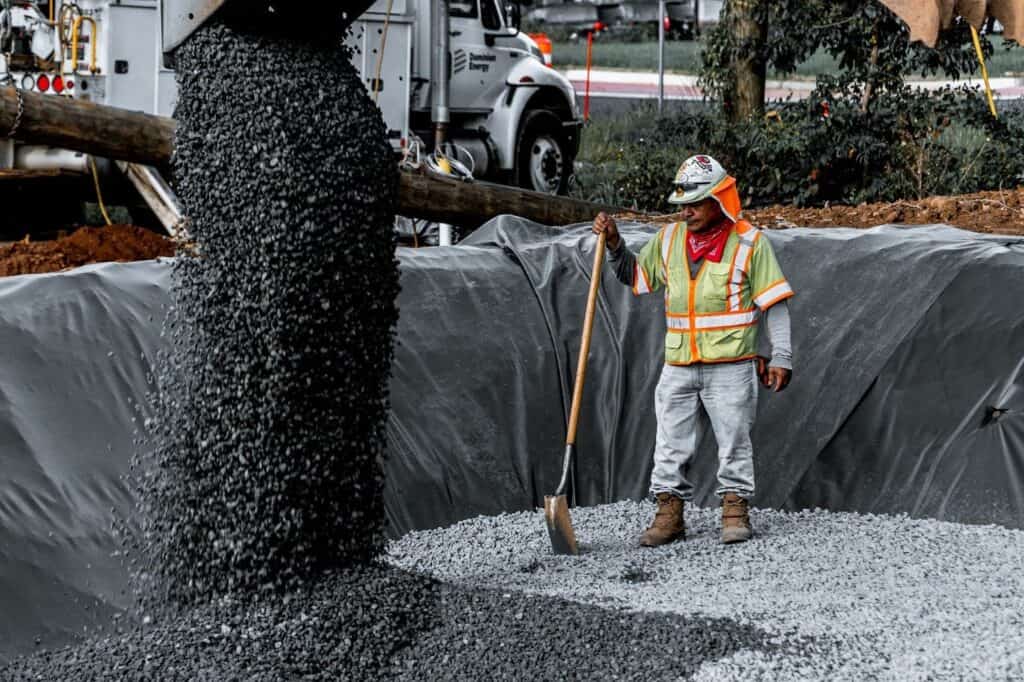
LID practices can fail if not protected during construction. Muller enforces strict erosion and sediment control, keeps infiltration areas fenced off until stabilization, and sequences work to minimize soil disturbance.
5. Operations and Maintenance
A detailed O&M plan ensures LID systems perform for decades. Muller provides clear inspection schedules, maintenance instructions, and training for property managers, ensuring that vegetation, media, and structural components are cared for properly.
Mid‑Atlantic Compliance Snapshot
Understanding regional requirements is critical for LID success, as each jurisdiction applies unique performance standards and design expectations:
- Maryland: ESD to the Maximum Extent Practicable, prioritizing distributed BMPs for infiltration, filtration, and runoff reduction.
- Virginia: Must meet VSMP technical criteria, with phosphorus credits verified through the BMP Clearinghouse.
- District of Columbia: Required stormwater retention targets on-site or through approved credits, plus Green Area Ratio compliance.
By engaging early in the design process, Muller’s team works directly with permitting authorities to confirm modeling assumptions, secure water quality credits, and streamline approval timelines, ensuring submittals meet local and state standards on the first review.
Partnering with Muller: Maximizing Value and Reducing Risk
LID can significantly reduce upfront costs by replacing oversized gray infrastructure with smaller, distributed features. Over the long term, these strategies deliver lower downstream maintenance needs, enhanced site aesthetics, and greater resilience to climate-driven rainfall events. By decentralizing stormwater controls, LID also minimizes the risk of single-point system failures, an advantage that can protect both budgets and timelines.
When you partner with Muller, you gain a full-service team capable of managing every aspect of your project, including clearing, grading, utilities, paving, landscaping, and bond release. Our approach blends technical precision with regulatory insight, ensuring each design meets or exceeds local requirements while remaining constructible and cost‑effective.
Why Muller Stands Out:
- Specialized expertise in designing, installing, and maintaining all major LID systems.
- Regulatory fluency across VA, MD, and DC to streamline approvals.
- Proven results delivering sustainable, compliant infrastructure for diverse project types.
Ready to integrate LID into your next project? Contact Muller for a design review, permitting strategy, and constructability consultation.
Frequently Asked Questions
Q: Can LID work on sites with poor infiltration soils?
A: Yes. Practices can be adapted with underdrains, elevated outlets, or storage-based solutions to provide treatment and flow control even where infiltration is limited.
Q: Does LID increase maintenance requirements?
A: Not necessarily. With proper pretreatment and clear O&M plans, maintenance is comparable to traditional systems and can be more predictable.
Q: Is LID cost‑effective for large developments?
A: Often, yes. LID can reduce the size and cost of downstream infrastructure, offsetting initial investments and delivering long-term savings.
Q: How early should Muller be involved in my project?
A: The earlier, the better. Engaging Muller during conceptual design allows us to integrate LID features seamlessly and align with permitting expectations.