Post-construction stormwater management begins the moment a site moves from active construction to long-term operation. Once pavement is laid, buildings are occupied, and landscaping is complete, stormwater systems must continue functioning reliably to protect infrastructure, meet regulatory requirements, and prevent costly failures. Catch basins play a central role in this phase, serving as the first line of defense against runoff, sediment, and debris.
When properly designed and maintained, catch basins help preserve downstream stormwater infrastructure, support regulatory compliance, and extend the lifespan of the entire site. Without proactive post-construction planning, however, even well-built systems can degrade quickly.
What Is Post-Construction Stormwater Management?
Post-construction stormwater management refers to the permanent systems and practices that control runoff after a site is fully developed. Unlike construction-phase controls, which focus on temporary erosion and sediment measures, post-construction systems are designed for long-term performance and compliance.
These requirements are typically established through local and state stormwater ordinances, MS4 permits, and site-specific approvals. Property owners are responsible for maintaining stormwater facilities throughout the life of the site, often long after bonds are released and construction teams have left. Effective post-construction planning helps ensure that stormwater systems continue to function as designed while minimizing regulatory risk.
What Are Catch Basins and How Do They Work?
Catch basins are stormwater structures designed to collect surface runoff and trap sediment and debris before water enters underground drainage systems. They are commonly installed along roadways, parking lots, loading areas, and other impervious surfaces.
A typical catch basin includes a surface grate, a vertical basin structure, a sump area that collects sediment, and an outlet pipe that connects to downstream stormwater infrastructure. As runoff flows into the basin, heavier materials settle into the sump while cleaner water exits through the outlet. This process reduces clogging, protects downstream pipes, and improves overall system performance.
The Role of Catch Basins in Post-Construction Stormwater Systems
In post-construction environments, catch basins manage runoff from roofs, pavement, and other hard surfaces that generate high volumes of stormwater. By intercepting debris early, they help prevent blockages and backups that can lead to flooding or structural damage.
Catch basins also support compliance with municipal and MS4 requirements by improving water quality and reducing sediment discharge into public systems. When integrated properly, they serve as a foundational component of a broader stormwater network rather than a standalone feature.
Common Issues with Catch Basins After Construction
After construction is complete, catch basins are often overlooked until a problem occurs. Over time, sediment accumulation can reduce storage capacity and restrict flow. Leaves, trash, and debris can block grates or outlets, leading to localized flooding during heavy rain events.
Neglected catch basins may also contribute to water quality issues by allowing pollutants to bypass treatment or re-enter the system. These failures can trigger regulatory violations, property damage, and unplanned maintenance costs.
Early Warning Signs a Catch Basin Needs Attention
- Standing water near inlets after rainfall
- Visible sediment or debris buildup at grates
- Slow drainage during moderate storm events
- Odors or signs of stagnant water
- Evidence of downstream backups or localized flooding
Identifying these issues early allows property owners to address maintenance needs before performance failures or compliance concerns escalate.
Catch Basin Maintenance and Long-Term Performance
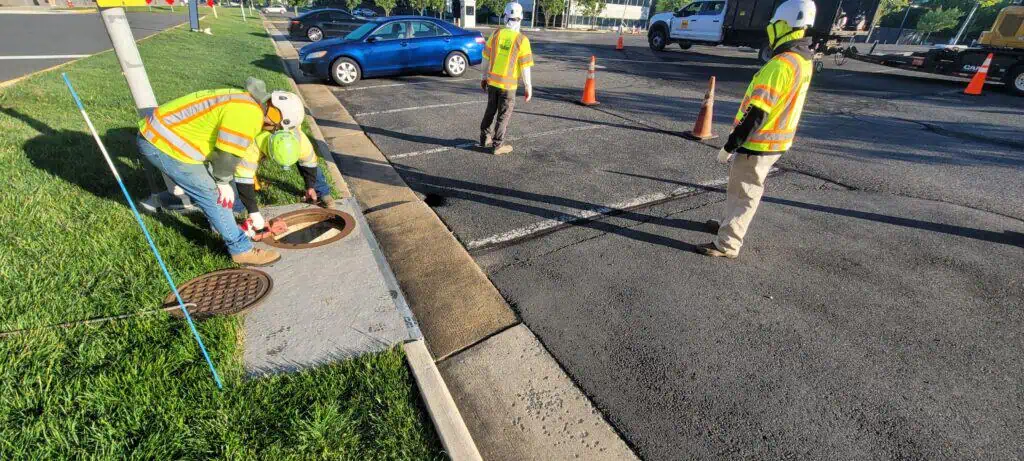
Routine inspection and maintenance are essential for ensuring catch basins perform as intended after construction. Regular cleaning removes accumulated sediment and debris, restores storage capacity, and allows systems to function efficiently during storm events.
Maintenance typically includes sediment removal, structural inspections, outlet checks, and repairs as needed. Proactive upkeep not only protects downstream infrastructure but also demonstrates compliance with ongoing stormwater obligations, reducing the risk of enforcement actions or costly retrofits.
| Maintenance Activity | What It Addresses | Risk If Ignored |
| Sediment removal | Restores storage capacity and flow | Reduced drainage capacity and flooding |
| Debris and grate cleaning | Prevents inlet blockage | Surface ponding and backups |
| Structural inspection | Identifies cracks or failure | Structural collapse or system failure |
| Outlet pipe inspection | Confirms downstream flow | Hidden blockages and system backups |
| Documentation and reporting | Supports regulatory compliance | Fines or enforcement actions |
Integrating Catch Basins with Broader Stormwater Systems
Catch basins function best when they are part of a coordinated stormwater system. They work in conjunction with storm drains, underground detention systems, swales, ponds, and other facilities to manage runoff across the site.
System-wide planning ensures that each component supports the next, reducing strain on individual structures. Coordinating stormwater systems during site development and closeout helps ensure long-term performance once the site transitions to owner responsibility.
Post-Construction Compliance and Owner Responsibilities
After bond release, responsibility for stormwater infrastructure shifts fully to the property owner or operator. This includes routine inspections, documentation, and maintenance required by local and state agencies.
Ongoing Inspection and Documentation Requirements
Many jurisdictions require periodic inspections of post-construction stormwater facilities, along with written maintenance records. These documents help demonstrate compliance during audits or enforcement reviews.
Maintenance Responsibilities After Bond Release
Once public improvements are accepted, owners are responsible for ensuring stormwater systems continue operating as designed. This often includes scheduled cleaning, repairs, and coordination with qualified maintenance providers.
Risks of Non-Compliance for Property Owners
Failure to meet post-construction obligations can result in fines, enforcement actions, or mandated repairs. Understanding these responsibilities early allows owners to plan maintenance programs and avoid compliance issues that disrupt operations.
How Muller Supports Post-Construction Stormwater Management
Muller supports clients throughout the full lifecycle of stormwater infrastructure, from planning and installation to long-term maintenance and compliance. Our team understands the demands placed on post-construction systems and the regulatory frameworks that govern them.
By focusing on durability, proper integration, and proactive maintenance, Muller helps clients protect their investments and maintain reliable stormwater performance well beyond project closeout.
Supporting Long-Term Stormwater Performance After Construction
Catch basins are a critical component of post-construction stormwater management, protecting infrastructure, supporting compliance, and reducing long-term risk. When combined with thoughtful system design and routine maintenance, they help ensure sites remain resilient and compliant for years to come.
For property owners and developers seeking long-term stormwater reliability, proactive planning makes all the difference. Contact Muller to learn how our team can support your post-construction stormwater management needs.