Force mains play a vital role in wastewater systems, transporting sewage under pressure from lift stations to wastewater treatment plants. Unlike gravity-based sewer systems, these pressurized sewer pipes operate under constant pressure, making failures both sudden and severe. Understanding why force mains fail and how to prevent those failures is essential for municipalities, utility providers, and the engineering professionals who support them.
Here at Muller, we believe failure prevention begins with strategic design, backed by years of engineering experience.
What Is a Force Main and Why Do Failures Matter?
Force mains are a type of sewer main that uses mechanical pumps to transport wastewater from low-lying areas to a higher elevation, often toward a treatment plant or water resource recovery facility. These sanitary sewer systems are critical for moving wastewater where gravity sewers are not feasible.
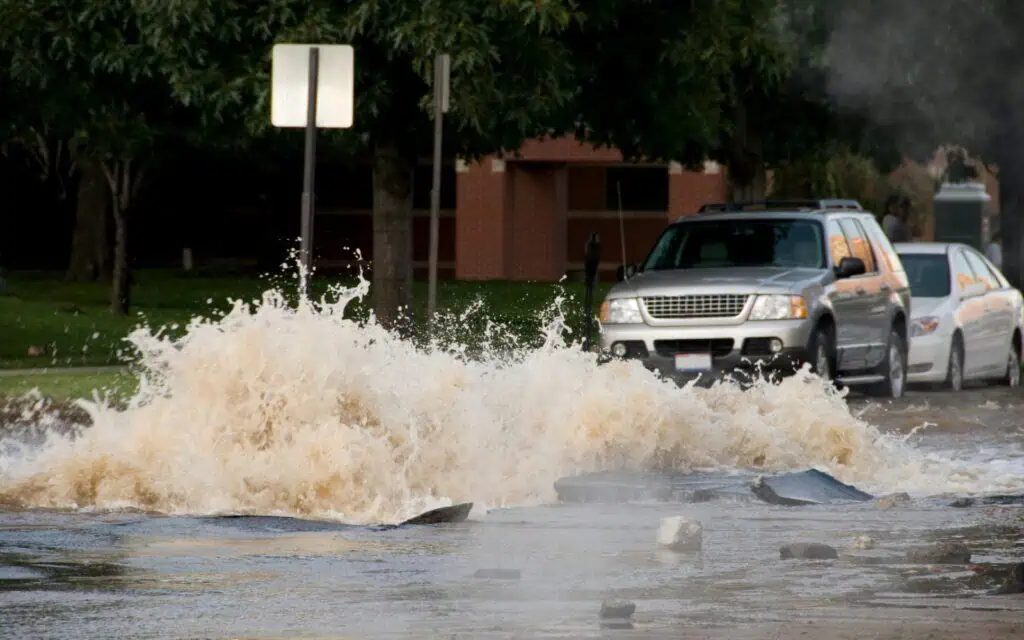
When they burst or fail, the consequences can include environmental contamination, public health risks, service interruptions, and costly emergency repairs. Because these underground pipes are often buried deep and under pressure, detecting issues before they escalate requires a forward-thinking and strategic approach.
Common Causes of Force Main Failures
Understanding the root causes of force main failure is the first step toward prevention. By identifying how and why these systems break down, utility providers can take targeted actions to avoid costly disruptions and improve infrastructure resilience.
Corrosion and Material Degradation
Internal corrosion is often driven by hydrogen sulfide gas within wastewater. When H₂S converts to sulfuric acid, it corrodes both metal and concrete pipe materials. Externally, soil composition, groundwater chemistry, and stray electrical currents can accelerate corrosion from the outside in. Over time, this weakens structural integrity, especially in older infrastructure built with materials like cast iron or ductile iron pipe.
Hydraulic Surges and Pressure Transients
Also known as water hammer, sudden shifts in flow caused by pump stops or rapid valve closures can send pressure spikes through the pipeline. These surges can crack joints, stress fittings, and, in extreme cases, cause catastrophic bursts.
Poor Installation or Construction Practices
Many force main failures trace back to avoidable mistakes during installation. Improper bedding, unsupported joints, and inadequate backfill can create stress points. Over years of service, these flaws grow into structural vulnerabilities and lead to premature pipe failure.
Entrapped Air or Vacuum Conditions
Without proper air/vacuum relief systems, sewer force mains can develop air pockets. These bubbles cause localized pressure differentials and can interrupt flow, leading to increased wear or sudden surges.
Ground Movement and External Stress
Shifting soils, nearby construction, or poor planning for settlement can place additional stress on buried infrastructure. Without flexibility or proper jointing systems, even slight movements can compromise pipeline durability.
Signs of Impending Failure: What to Watch For
Force mains rarely fail without warning. Recognizing early indicators can prevent major disruptions and reduce repair costs. Utility managers and municipalities should stay alert for these red flags:
- Unusual pressure readings: Fluctuations may signal blockages, trapped air, or pipeline damage.
- Increased pump cycling or energy usage: Inefficiencies in flow often stem from pipeline restrictions or leaks.
- Odors, ground heaving, or surface sinkholes: These physical symptoms often suggest a subsurface breach or leak in the sewer drainage system.
Muller helps clients identify these signs early by offering comprehensive repair and maintenance solutions in every phase of infrastructure planning and asset management.
How to Prevent Force Main Failures
Understanding the causes of failure is just the beginning—prevention comes next. By designing smarter systems and implementing proactive maintenance strategies, utility providers can significantly mitigate force main breakdowns.
Design with Resilience in Mind
The best prevention starts with well-informed planning. Selecting durable, corrosion-resistant materials such as high-density polyethylene (HDPE), fiberglass-reinforced plastic (FRP), or properly lined ductile iron sets the foundation for system longevity. Incorporating surge analysis during the design phase ensures that the system can handle fluctuations in pressure and operate at optimal force.
Manage Pressure and Air Proactively
Surge tanks, pressure-reducing valves, and air/vacuum release valves help mitigate the risk of sudden pressure changes and trapped air. These systems must be correctly specified and regularly maintained to ensure consistent protection.
Conduct Routine Monitoring and Inspection
Regular condition assessments—including acoustic inspections, smart pigging, and pressure testing—can detect early signs of fatigue, leaks, or corrosion. A proactive inspection schedule reduces the likelihood of emergency repairs and extends asset life.
Utilize Protective Measures
For metallic pipelines, cathodic protection and specialized coatings help defend against internal and external corrosion. These layers act as a barrier and reduce the rate of degradation, especially in iron pipe systems.
Consider Trenchless Rehabilitation Techniques
When aging infrastructure needs repair, trenchless methods like cured-in-place pipe (CIPP), slip-lining, or pipe bursting can restore integrity with minimal surface disruption. These solutions are especially useful in urban environments or areas with limited access to existing drains or sewer lines.
Muller’s Commitment to Utility Infrastructure
Our team at Muller prioritizes proactive planning and long-term performance. We understand that preventing failure starts before construction begins. From material selection and surge analysis to dry utility coordination and construction oversight, our approach emphasizes durability and risk mitigation.
By integrating modern technology with seasoned engineering insight, we help clients avoid the costly consequences of force main failures. Whether developing new infrastructure or assessing aging systems, Muller delivers the expertise and foresight required to keep critical sewer systems running smoothly.
Building Smarter Systems: The Path Forward for Force Mains
Force main failures pose risks beyond engineering—they impact entire communities. With thoughtful design, reliable materials, and preventative maintenance, many of these failures are avoidable. For municipalities and developers seeking long-term reliability, working with experienced partners like Muller is a critical step in safeguarding infrastructure.
Ready to strengthen your utility system? Partner with Muller to reduce risk, extend system lifespan, and plan with confidence.