Water jet excavation has a large number of applications. From digging trenches, unearthing buried infrastructure, and pipe cleaning to stormwater maintenance, water jet excavation and its specialized equipment can be employed to complete them all. Site work contractors, utility providers, stormwater maintenance technicians, and excavation contractors all rely on water jet excavation thanks to its flexibility, accuracy, and reliability.
What Is Water Jet Excavation?
Water jet excavation, also referred to as hydro excavation, is fast becoming the favored option over traditional methods of excavation due to its accuracy, flexibility, and safety.
This guide to water jet excavation will explain everything there is to know about the water jet excavation process, including why it’s the preferred choice for excavating in Washington, D.C., Maryland, and Northern Virginia.
Water jet excavation uses a combination of pressurized water and vacuum suction to remove soil safely and precisely.
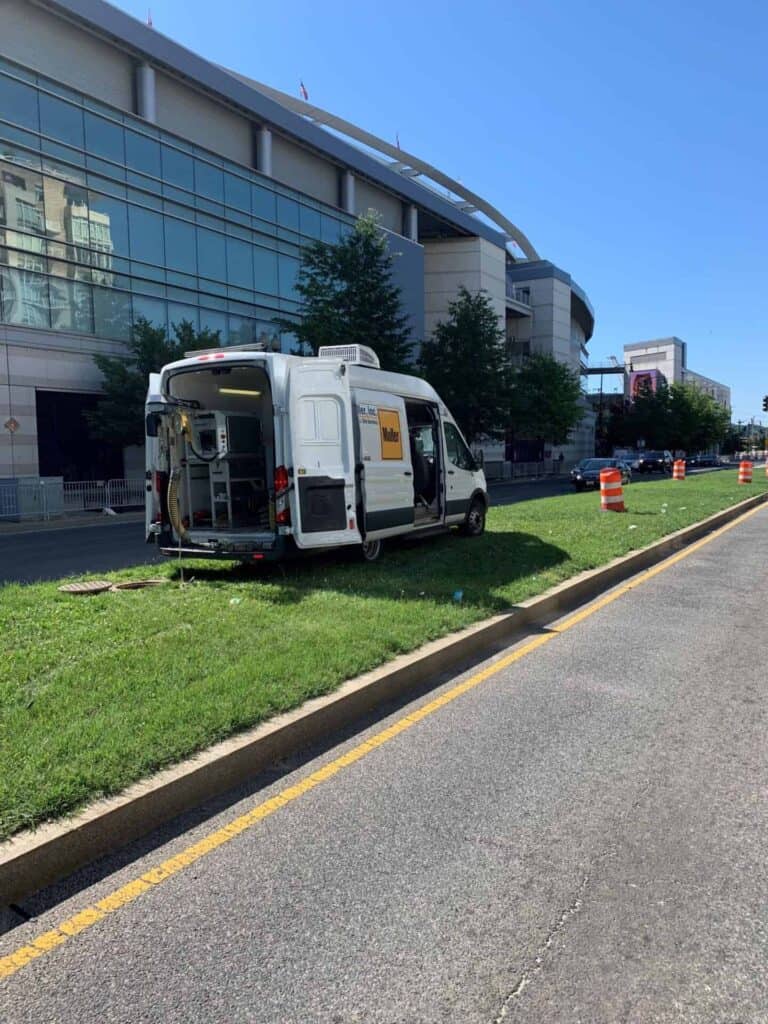
Water jet excavation trucks carry high‑pressure water jets that can break apart frozen ground, hard soil, compacted earth, and even rocky material. The loosened material is turned into slurry and immediately removed through a powerful vacuum system and transferred into a debris holding tank.
Key Advantages of Water Jet Excavation
This all‑in‑one method offers several advantages:
- Greater excavation precision
- Reduced disturbance to surrounding soil
- Less required backfill
- Safer excavation around underground utilities
Because of these benefits, water jet excavation is widely used by contractors throughout Washington, D.C., Maryland, and Northern Virginia when working in environments where accuracy, safety, and minimal disruption are critical.
How Water Jet Excavation Works
A vacuum source is of vital importance to ensuring the completion of the water jet excavation process. This can come in the form of a displacement blower or a fan system, with the vacuum assisting the clearance of debris in a much faster manner. A displacement blower is able to move air over a much longer distance than is the case with a fan system. However, the latter is more efficient due to the greater depth cleaning that is included in the excavation process.
Common Uses for Water Jet Excavation
Water jet excavation can be used for a wide variety of excavation scenarios where precision digging is required.
- Exposing foundations
- Utility daylighting
- Potholing
- Test pitting
- Line digging
- Slot trenching
One of the most common uses is daylighting, which refers to safely exposing underground utilities such as power lines, fiber optic cables, or pipelines. Water jet excavation allows contractors to locate these utilities without risking damage.
Additional Applications for Water Jet Excavation Equipment
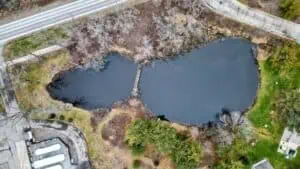
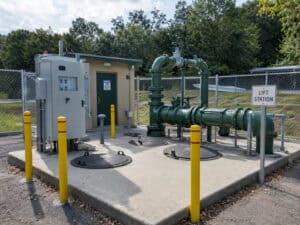
Water jet excavation equipment is not limited to excavation alone. The same equipment is frequently used for a variety of infrastructure maintenance services.
Additional applications include:
- Sewer jetting
- Water system cleaning
- Sanitary sewer maintenance
- Storm drain cleaning
- Stormwater maintenance services
Jet Vac trucks are often used to perform tasks such as:
- Filter cleaning
- Inlet cleaning
- Detention system maintenance
These capabilities make water jet excavation equipment a valuable tool for both excavation contractors and municipal infrastructure maintenance teams.
Industries That Use Water Jet Excavation
Water jet excavation is widely used across multiple industries that require safe excavation around existing infrastructure.
These industries include:
- Utility contractors
- Municipal infrastructure maintenance
- Telecommunications installation
- Pipeline construction
- Civil construction projects
- Stormwater management services
Because of its precision and safety advantages, water jet excavation has become a preferred method for many infrastructure‑related projects.
Benefits of Water Jet Excavation
Water jet excavation is widely used for focused excavation projects because of its accuracy and controlled digging process. These advantages often translate into significant time and cost savings compared to traditional mechanical excavation methods.
1. Precision and Safety
The greater precision of water jet excavation reduces the risk of damaging underground utilities. This also lowers the likelihood of costly utility strikes or job‑site injuries and helps prevent expensive infrastructure damage.
2. Reduced Restoration Work
Because the excavation area is smaller and more controlled, less soil is disturbed. This results in less backfill and reduced site restoration work once the project is complete, which can significantly reduce overall project costs.
3. Operational Flexibility
Water jet excavation trucks are extremely flexible compared to traditional excavation equipment. Because the trucks can often be positioned well away from the excavation area, contractors can work efficiently in challenging environments such as:
- Urban job sites
- Congested work areas
- Sensitive infrastructure environments
- Remote locations
4. Adaptability to Soil Conditions
Water jet excavation can be used in a wide range of soil conditions, including compacted soils and frozen ground during colder months through the use of heated water systems.
Water Jet Excavation Services from Muller, Inc.
Water jet and vacuum trucks are now considered one of the most reliable and safest excavation tools, given that traditional excavation processes have proven to be hazardous when undertaken around main power and fiber optic lines as well as congested work sites.
Many modern companies prefer to use high-pressure water jets as they are less destructive and pose a limited risk to buried utilities, pipelines, and their workers. CCTV cameras can also be used with these devices in order to make the process more accurate and effective.
Muller, Inc. offers water jet excavation services to a number of different industries in Northern Virginia, Maryland, and Washington, D.C. We regularly use water jet excavation on a variety of different projects, such as daylighting, test pitting, potholing, slot trenching, pipe repair, and stormwater maintenance. Muller’s team members have been extensively trained in every type of water jet excavation technique and work to ensure the highest safety standards are maintained.
If your project requires precise excavation around existing infrastructure, Muller’s team has the equipment and expertise to help complete the work safely and efficiently. Contact Muller, Inc. today to discuss your upcoming excavation or infrastructure maintenance project.
Frequently Asked Questions
Q: What Is the Difference Between Hydro Excavation and Water Jet Excavation?
The terms hydro excavation and water jet excavation are often used interchangeably. Both describe the process of using pressurized water and vacuum systems to safely remove soil.
Q: Is Water Jet Excavation Safe Around Underground Utilities?
Yes. One of the primary advantages of water jet excavation is its ability to expose buried infrastructure with minimal risk of damage compared to traditional mechanical digging methods.
Q: Can Water Jet Excavation Be Used in Frozen Ground?
Yes. Heated water systems can be used to cut through frozen soil, allowing excavation work to continue during colder months.
Q: Is Water Jet Excavation More Expensive Than Traditional Excavation?
While equipment costs can sometimes be higher, the increased precision and reduced restoration work often result in lower overall project costs.
Frequently Asked Questions
Q: What Is the Difference Between Hydro Excavation and Water Jet Excavation?
The terms hydro excavation and water jet excavation are often used interchangeably. Both describe the process of using pressurized water and vacuum systems to safely remove soil.
Q: Is Water Jet Excavation Safe Around Underground Utilities?
Yes. One of the primary advantages of water jet excavation is its ability to expose buried infrastructure with minimal risk of damage compared to traditional mechanical digging methods.
Q: Can Water Jet Excavation Be Used in Frozen Ground?
Yes. Heated water systems can be used to cut through frozen soil, allowing excavation work to continue during colder months.
Q: Is Water Jet Excavation More Expensive Than Traditional Excavation?
While equipment costs can sometimes be higher, the increased precision and reduced restoration work often result in lower overall project costs.
Q: What Is the Difference Between Hydro Excavation and Water Jet Excavation?
The terms hydro excavation and water jet excavation are often used interchangeably. Both describe the process of using pressurized water and vacuum systems to safely remove soil.
Q: Is Water Jet Excavation Safe Around Underground Utilities?
Yes. One of the primary advantages of water jet excavation is its ability to expose buried infrastructure with minimal risk of damage compared to traditional mechanical digging methods.
Q: Can Water Jet Excavation Be Used in Frozen Ground?
Yes. Heated water systems can be used to cut through frozen soil, allowing excavation work to continue during colder months.
Q: Is Water Jet Excavation More Expensive Than Traditional Excavation?
While equipment costs can sometimes be higher, the increased precision and reduced restoration work often result in lower overall project costs.