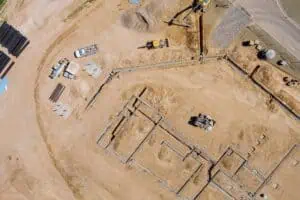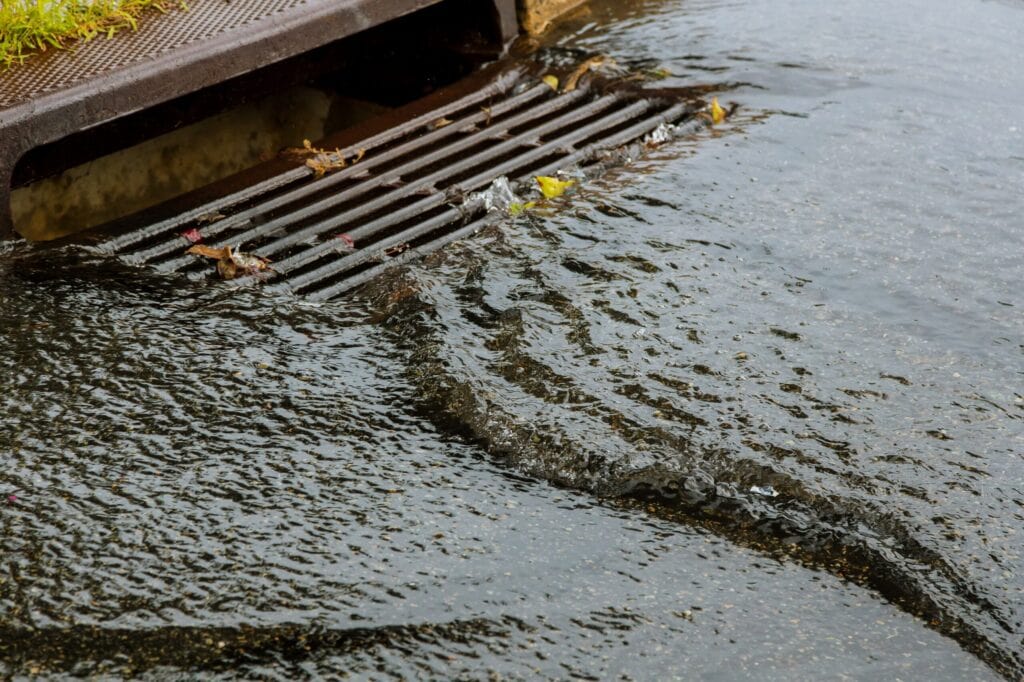
Stormwater runoff is one of the leading causes of water pollution in the United States. As rainwater flows over roads, rooftops, and construction sites, it collects debris, sediment, and pollutants before entering storm drains and nearby water bodies. To prevent environmental damage and ensure responsible development, both federal and state governments have established strict stormwater regulations.
Understanding these requirements, especially how they vary by state, is crucial for developers and contractors working in the Mid-Atlantic. Muller brings decades of experience navigating these rules to help clients maintain compliance and protect natural resources.
Understanding the Basics of Stormwater Regulations
At the federal level, the Environmental Protection Agency (EPA) enforces the Clean Water Act (CWA), which regulates discharges of pollutants into U.S. waters. A key component of this enforcement is the National Pollutant Discharge Elimination System (NPDES), which governs stormwater discharges from municipal separate storm sewer systems (MS4s), construction activities, and industrial sites.
Each NPDES permit type is tailored to different activities:
- MS4 Permits: Regulate stormwater discharges from public storm sewer systems.
- Construction General Permits (CGPs): Required for sites disturbing more than one acre of land.
- Industrial Permits: Apply to specific facility types with potential stormwater exposure.
The goal of all stormwater programs is to manage runoff volume and quality, prevent pollution, and safeguard infrastructure and downstream ecosystems.
Why Stormwater Requirements Vary by State
While the EPA sets a national standard, most states are authorized to administer their own NPDES programs. These state-level adaptations allow for region-specific enforcement that reflects local geography, population density, and environmental priorities.
For example, coastal states may prioritize nutrient runoff, while mountainous regions focus on slope stabilization and sediment control. Some jurisdictions like Washington, D.C., are not authorized and follow EPA-administered permits directly.
Stormwater Compliance Overview in Muller’s Service Area
Muller, Inc. serves clients across the Mid-Atlantic, providing stormwater management and maintenance solutions throughout Virginia, Maryland, Washington D.C., Pennsylvania, Delaware, West Virginia, and North Carolina. Here’s how stormwater compliance works in each of these states:
Virginia
Virginia’s Department of Environmental Quality (DEQ) requires a Construction General Permit (CGP) for any development disturbing one acre or more. The state emphasizes erosion and sediment control, especially to protect the Chesapeake Bay watershed. Developers must design and maintain BMPs such as silt fencing, stabilized construction entrances, and proper slope management throughout construction.
Maryland
Maryland, under the Maryland Department of the Environment (MDE), mandates Environmental Site Design (ESD) for stormwater management. Developers are required to use distributed practices like micro-bioretention, bioswales, and infiltration trenches. Projects must mimic natural hydrology and show pollutant load reduction to receive approval.
Washington, D.C.
As an EPA-administered area, Washington, D.C. follows federal NPDES regulations directly. Developers must meet high post-construction stormwater retention standards, often through green infrastructure like green roofs, rain gardens, and bioretention cells. Projects also need to comply with DDOE’s Stormwater Management Guidebook.
Pennsylvania
The Pennsylvania Department of Environmental Protection (PA DEP) manages stormwater under the PAG-02 General Permit. A strong emphasis is placed on pre- and post-construction BMPs, and developers must submit detailed SWPPPs. Key requirements include sediment basins, channel stabilization, and post-construction volume control through infiltration or extended detention.
Delaware
Delaware’s Department of Natural Resources and Environmental Control (DNREC) requires stormwater and sediment management plans for any disturbance over 5,000 square feet. Projects must demonstrate effective runoff control through design elements like sediment traps, stabilized outfalls, and grassed swales. DNREC also requires periodic inspections and certified construction reviewers.
West Virginia
The West Virginia Department of Environmental Protection (DEP) issues CGPs that require comprehensive SWPPPs and site-specific BMPs. Special attention is given to steep or erosion-prone terrain. BMPs such as slope stabilization mats, sediment ponds, and phased grading are standard practice to ensure compliance.
North Carolina
North Carolina’s DEQ enforces strict post-construction stormwater controls, particularly in coastal and high-growth areas. Developers must implement structural controls like bioretention areas and detention basins, and often submit financial assurance to guarantee long-term maintenance. Many areas also require nutrient load reduction and volume control measures.
Common Stormwater Management Methods Across States
Despite regulatory differences, many Mid-Atlantic states rely on consistent stormwater strategies to meet environmental and permitting goals. Here are the most widely adopted approaches:
- Retention and Detention Ponds: These engineered basins collect runoff during peak rain events and slowly release it, reducing downstream flooding and allowing sediment to settle before discharge.
- Green Infrastructure: Modern development often incorporates features like vegetated swales, bioswales, rain gardens, and permeable pavements. These tools reduce runoff by encouraging infiltration and filtering out pollutants naturally.
- SWPPPs and BMPs: Most construction permits require Stormwater Pollution Prevention Plans (SWPPPs) paired with site-specific Best Management Practices (BMPs). These include sediment controls, inlet protections, and stabilized entrances to prevent erosion and off-site pollution.
- Ongoing Maintenance and Inspections: Routine maintenance ensures long-term functionality. Many states mandate inspections and reporting to confirm that BMPs are still working and developments remain in compliance.
How Developers Can Stay Compliant Across Jurisdictions
Stormwater compliance isn’t a one-time task, it’s a process that spans the entire development timeline. Here’s how Muller helps developers stay ahead:
- Start with a Site Assessment
We evaluate slope, soil type, drainage paths, and surrounding waterways to inform early planning and design decisions. - Create Tailored SWPPPs
We build Stormwater Pollution Prevention Plans that align with regional regulations. These aren’t off-the-shelf templates, they’re customized to each jurisdiction and project site. - Navigate Permitting with Local Expertise
Our team works regularly with agencies across Virginia, Maryland, D.C., Pennsylvania, Delaware, West Virginia, and North Carolina. This means faster approvals, fewer revisions, and less red tape. - Design Long-Term, Flexible Systems
We engineer stormwater solutions, like green roofs, detention basins, and bioretention cells, that are built to adapt with seasonal shifts and future site changes.
Partner with Muller for Expert Stormwater Compliance Solutions
As a trusted leader in civil construction across the Mid-Atlantic, Muller provides developers with start-to-finish stormwater solutions that meet current regulatory demands and anticipate future needs.
With decades of regional expertise and a systems-driven approach, Muller understands the intricacies of stormwater compliance across Virginia, Maryland, D.C., Pennsylvania, Delaware, West Virginia, and North Carolina. We are your partner in building regulation-ready, environmentally responsible sites across the Mid-Atlantic.
Ready to Build with Confidence?
Contact Muller today to learn how our stormwater compliance services can streamline your next project.