In site development and construction, bond release punch work is the final step before a project is officially approved and completed. Municipalities require developers and project owners to address outstanding items to ensure compliance with regulations and project specifications. Getting this stage right matters more than most developers expect, completing punch work efficiently is crucial to avoiding delays and unnecessary costs.
This guide breaks down what bond release punch work actually involves, why municipalities require it, what the release process typically looks like, and how to avoid the delays that keep bonds open longer than they need to be.
At a Glance: Bond Release Punch Work
| Question | Answer |
| What is it? | The final corrections needed to clear a municipal inspector’s punch list before a performance bond can be released. |
| Who requires it? | The municipality or agency that issued permits for the project, the bond protects them if improvements aren’t completed. |
| How long does it take? | Typically several weeks to a few months, depending on the size of the punch list and how many re-inspections are needed. |
| What’s commonly on the list? | Wet utilities, sidewalks/curbs, asphalt, tree work, fine grading, erosion control closeout, and stormwater facility inspections. |
| What causes delays? | Missing documentation, unresolved punch items, or waiting on a separate agency’s acceptance (like a state DOT for streets). |
| Do you get bond money back? | Yes, once improvements are accepted, the bond or cash deposit is released back to the developer. |
What Is Bond Release Punch Work?
Bond release punch work refers to the final corrections and improvements needed to satisfy regulatory requirements before a performance bond can be released. These tasks ensure that all infrastructure elements meet quality and safety standards, preventing potential issues after project completion.
To understand punch work, it helps to understand the bond behind it. Before construction begins, a developer typically posts a performance bond, letter of credit, or cash escrow with the municipality. This security guarantees that required public improvements, streets, sidewalks, storm and sanitary sewer, utilities, and landscaping, will actually get built to spec. If the developer doesn’t finish the work, the jurisdiction can draw on that security to complete it themselves. Once a municipal inspector reviews the site and finds outstanding deficiencies, those items become the “punch list,” and the corrections needed to clear them are the punch work. Only after every item is resolved and the infrastructure is formally accepted can the bond be released and the developer’s obligation come to an end.
Why Bond Release Punch Work Matters
Bond release punch work isn’t just paperwork, it has real financial and legal stakes for developers. Until the bond is released, the developer’s capital (or their surety company’s capacity) stays tied up, and they remain legally responsible for the improvements. A bond that sits open longer than necessary can also trigger renewal fees, since many performance bond premiums are charged annually until release.
Delays add up in other ways too. The construction industry as a whole loses billions of dollars a year to rework driven by miscommunication and incomplete documentation, and construction costs have continued to climb year over year, meaning a project that drags out its punch list is often getting more expensive to finish, not less.
Municipalities require this process because it shifts the risk of unfinished infrastructure away from taxpayers and onto the developer. Completing punch work promptly and correctly is the fastest way to close that risk out and move on to the next project.
The Bond Release Process
While the exact steps can vary by jurisdiction, the bond release process generally follows a similar path from completion to closeout:
- Final inspection request. Once public improvements are substantially complete, the developer requests a final inspection and submits any required as-built drawings or engineering certifications.
- Punch list issued. The municipal inspector, and in some cases other agencies, such as the state department of transportation for streets or the local water authority for utilities, reviews the site and issues a punch list of any deficiencies.
- Punch work performed. The site contractor completes the corrections needed to clear each item on the list.
- Re-inspection. The inspector returns to verify the work. This step often repeats until there are zero outstanding punch list items.
- Formal acceptance. Once everything passes, the relevant agencies formally accept the infrastructure for ongoing maintenance, for example, a state DOT accepting a new street, or a utility authority accepting a sewer line.
- Bond release. With all improvements accepted, the municipality processes the release of the bond, letter of credit, or cash escrow, and the developer’s obligation ends.
This process can move quickly when punch work is handled efficiently, or drag on for months when items are addressed piecemeal. Working with a contractor who understands what inspectors are looking for at each stage makes a measurable difference in how fast a project reaches final acceptance.
Common Punch List Items in Site Development
Punch list items in site development span far more than any single category, since inspectors are reviewing every piece of infrastructure the project touches. Here are the categories that come up most often:
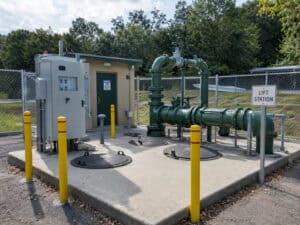
- Wet Utility Punch Work. Wet utilities, including water, sewer, and stormwater systems, must function properly and meet municipal standards. Punch work for wet utilities may involve valve adjustments, meter box repairs, and storm drain corrections. Ensuring proper water flow, drainage, and system integrity is essential for project approval.
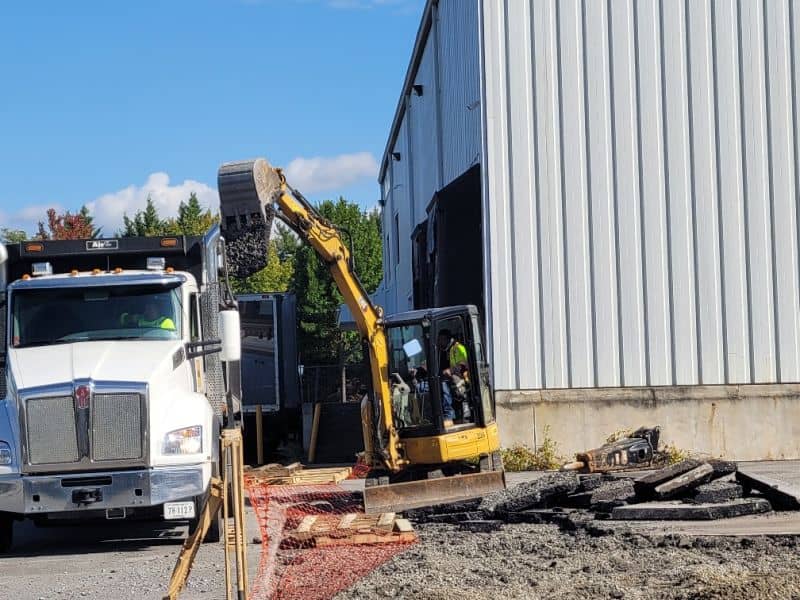
- Sidewalk and Curb Removal & Replacement. Cracked, settled, or misaligned sidewalks and curbs can pose safety hazards and may not comply with ADA requirements. Removal and replacement ensure pedestrian accessibility, structural stability, and compliance with local codes.
- Asphalt Milling and Patching. Asphalt surfaces must be smooth, durable, and free from defects. Milling removes surface irregularities, while patching repairs damaged areas, creating a safe and compliant roadway or parking lot.
- Asphalt Crack Sealing. Sealing cracks in asphalt prevents water infiltration, which can cause deterioration over time. This process extends the pavement’s lifespan and ensures compliance with municipal maintenance requirements.
- Tree Pruning and Replacement. Trees and landscaping must align with approved development plans. Pruning promotes healthy growth and removes potential hazards, while tree replacement ensures compliance with environmental and aesthetic standards.
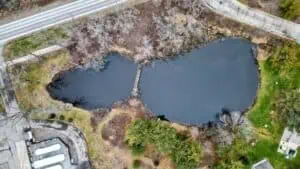
- Fine Grading. Fine grading finalizes site elevations to ensure proper drainage and soil stability. Proper grading prevents erosion and water pooling, contributing to the long-term integrity of the site. You can read more about fine grading here!
- Erosion and Sediment Control Closeout. Silt fencing and other temporary erosion control measures can typically only be removed once disturbed areas are fully stabilized and vegetated. Punch work here often includes removing accumulated sediment, backfilling and compacting trenches, and permanently stabilizing any ground disturbed during removal.
- Site Stabilization and Landscaping. Beyond tree work, inspectors check that required landscaping is installed and healthy, that permanent seeding or sod has taken root, and that no dead or hazardous vegetation remains on site.
- Stormwater Facility Inspection and As-Builts. Stormwater management facilities typically require a final inspection and professionally certified as-built drawings before they’re accepted. This step confirms the facility was built as designed and will function as intended long after the developer has moved on.
Because punch lists touch so many disciplines at once, projects that treat these items separately tend to move slower than ones handled by a single team that can coordinate corrections across utilities, paving, grading, and landscaping simultaneously.
Here, you can read a comprehensive guide to all of our bond release services!
What This Means for Your Project
Bond release punch work is where a project’s paperwork meets the reality on the ground — and it’s often the difference between closing out on schedule and watching a bond sit open for months longer than it should.
Muller has extensive experience handling bond release punch work efficiently and professionally. Our team ensures all required corrections are completed to the highest standards, helping developers avoid delays and secure final project approval. With our expertise and experience in the DC metro region, we provide reliable solutions that streamline the closeout process.
Get in touch with Muller to talk through your project’s punch list and see how we can help close it out faster.