Site work packages break the site preparation phase of a construction project into defined scopes of work. Site work packages are tied to the civil or site plans of a project and involve preparing the site for construction. Site work packages routinely include demolition, excavating, grading, installing underground utilities, foundation preparation, and landscaping. These packages are critical to the success of a project as they lay the groundwork for all subsequent construction activities.
Depending on the project’s complexity, multiple site work packages may be required, each with its own set of requirements and timelines. Below, we cover what site work is, what each package typically includes, the benefits of packaging site work, and how to choose the right site work partner.
What Is Site Work in Construction?
Site work is all the work done on a property to get the land ready for a building or structure. It covers everything outside the building footprint plus the ground beneath it: clearing, demolition, earthwork, underground utilities, paving, stormwater controls, and final landscaping.
In the CSI MasterFormat system that most specifications follow, site work falls under the Site and Infrastructure divisions: Division 31 (Earthwork), Division 32 (Exterior Improvements), and Division 33 (Utilities).
For a deeper look at the full process, see our complete guide to site development.
What Is a Site Work Package?
In construction and land development, the term site work package refers to a specific set of tasks or activities that must be completed as part of a larger project. Site work packages can vary based on size, scope, materials, and labor needed to complete the project within a specific timeframe.
Generally, a site work package is a smaller subset of a larger construction project deemed too complex or too large to be completed as a single scope of work. This approach allows construction companies to break down a project into more manageable parts, which can be planned, managed, and completed more efficiently and accurately.
What’s Included in a Site Work Package
Every project is different, but most site work packages fall into these categories:
| Package | Typical Scope |
| Clearing and Demolition | Clearing and grubbing, site demolition, and removal of existing structures and debris |
| Erosion and Sediment Control | Silt fence, construction entrances, inlet protection, and slope stabilization |
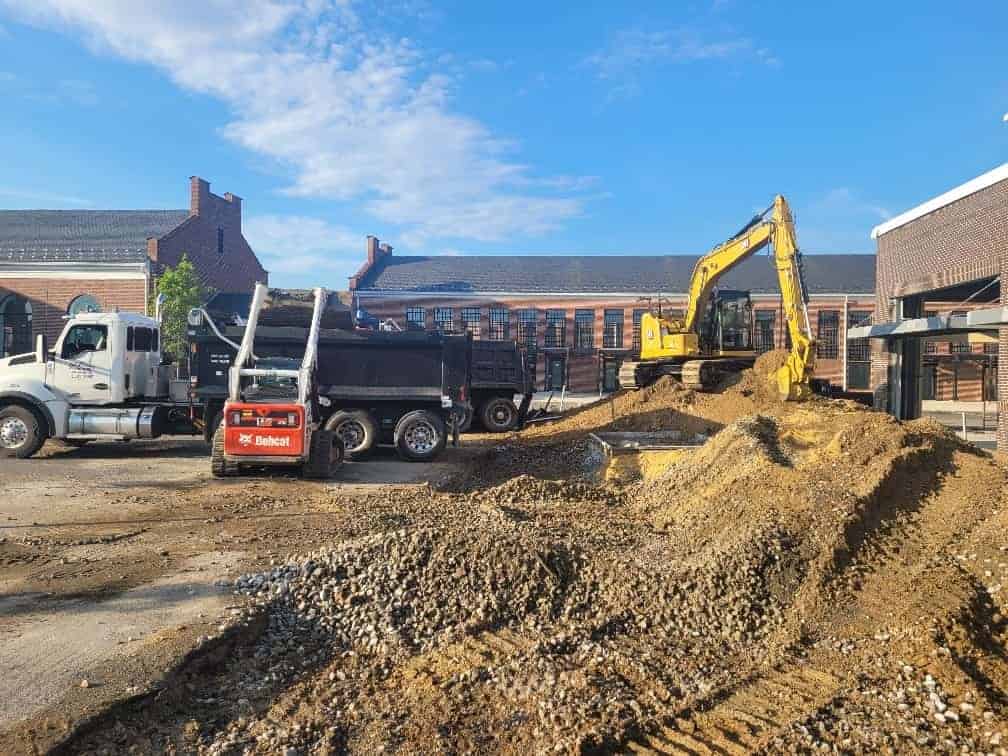
| Earthwork | Excavation and grading, cut and fill, and foundation pad preparation |
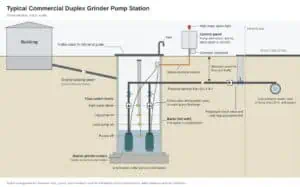
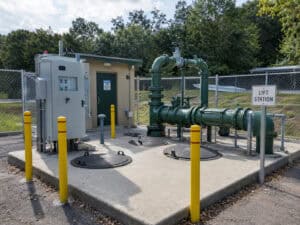
| Underground Utilities | Waterline, sanitary sewer, storm drain, and dry utilities |
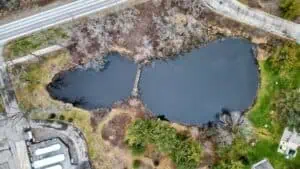
| Stormwater Management | Underground detention, bioretention, and infiltration systems |
| Hardscape and Paving | Concrete flatwork, curb and gutter, and asphalt paving |
| Final Stabilization and Closeout | Hydroseeding, landscaping, fine grading, and bond release punch work |
Benefits of Packaging Site Work Tasks
Small site work packages that are set up correctly make a project run more smoothly. These benefits include efficiency, cost savings, safety, work quality, and better coordination.
Efficiency
Complex projects can be hard to manage. Breaking the scope into clearly defined, manageable work packages gives front-line supervisors, such as foremen and superintendents, clear direction to manage daily or weekly. This enables greater productivity and efficiency.
Small site work packages also deliver greater efficiencies thanks to benefits such as job clarity, material management, and allowing more time to be spent on specific tasks.
Cost Savings
A small site work package can help you estimate costs during pre-construction budgeting right down to individual activities instead of having them summarized in large sections that could overlook critical details and result in unexpected costs.
Small site work packages help identify specific costs, including:
- Direct labor
- Equipment and materials
- Travel
- Other indirect costs
This can also help your site team find cost inefficiencies to improve at the work package level.
Safety
Construction remains one of the most dangerous industries in the U.S. According to the Bureau of Labor Statistics, 5,070 workers died on the job in 2024, and construction accounted for 1,034 of those deaths, or about one in five.
Unplanned, unpredictable work is a major contributor to jobsite risk. This is especially true for excavation and trenching, which OSHA identifies as one of the most hazardous construction operations.
A small site work package ensures that the right people get the right information at the right time. It makes work documentation easier to access, so crews can plan better and supervisors can stay in the field.
Work Quality
Packaging site work tasks can enable greater quality control and accountability for project supervisors. By defining smaller subsets of a larger construction project, it is easier to monitor progress, identify any potential issues or delays, and ensure that the work is completed to the required standards and specifications.
Better Coordination
Well-defined site work packages also keep tasks and subcontractors coordinated, so the project meets its time, budget, and quality goals.
The Typical Site Work Sequence
Site work packages usually follow this order, though phases often overlap on larger projects:
- Utility locating and potholing to identify existing underground lines (Call 811 before any digging)
- Installing erosion and sediment controls
- Clearing, grubbing, and demolition
- Rough grading and excavation
- Underground utility and stormwater installation
- Foundation pad preparation and fine grading
- Paving, curbs, and sidewalks
- Final stabilization, landscaping, and bond release closeout
For more on how these phases connect, read the essential phases of turnkey site development.
How to Select a Site Work Partner
The responsibilities and roles that go along with a small site work package may vary along with the complexity and number of partners in a particular project. When using one or more partners on a project, it is important to ensure that they are specifically chosen for their qualifications to perform their respective tasks and that specific roles are outlined in order to ensure clarity.
The right partner keeps a project on budget and on schedule. The wrong one becomes a costly mistake. When evaluating site work contractors, look for:
- Self-performed capabilities across multiple packages (earthwork, utilities, erosion control), which reduces handoffs between subcontractors
- Local experience with jurisdictional permitting and inspections
- A documented safety program and record
- Relevant project experience in your market
- Clear, itemized pricing for each package
A good small site work package will allow a construction crew to perform high-quality work in an efficient, measurable, predictable, and safe manner.
Muller, Inc.: Site Work Packages in the DMV
From removing or demolishing old structures to implementing environmental mitigation measures, Muller, Inc.’s turnkey site development packages provide a comprehensive solution that covers all aspects of site preparation, utilities installation, and site grading for commercial, government, and residential projects across Washington, D.C., Maryland, and Virginia.
FAQs
What is the difference between site work and site development? Site work is the physical construction activity that prepares land: clearing, grading, utilities, and paving. Site development is the broader process, which also includes planning, permitting, and engineering. Site work is the build phase of site development.
Who performs site work on a construction project? Site work is usually performed by a site work or civil contractor hired by the general contractor or owner. Some contractors self-perform several packages, while others subcontract specialties like utilities or paving.
How long does site work take? It depends on site size, soil conditions, utility scope, and permitting. A small commercial pad may take a few weeks, while large mixed-use or infrastructure sites can take months. Breaking the work into packages makes the schedule easier to track.
Does site work include utilities? Yes. Underground wet utilities (water, sanitary sewer, storm drain) and dry utilities (electric, telecom, gas conduit) are a core part of most site work packages. Learn more in our guide to dry utility vs. wet utility differences.